

Description
The Swift Treasure, Early Harvest Beauty and the Beet of Reliable Abundance
Early Wonder is the beet that arrives like good news.
While other roots are still deciding who they want to be, Early Wonder moves with quiet purpose. They’re gathering sweetness, rounding themselves into a smooth crimson globe, and offering you that first real harvest of the season: soil on your hands, a basket getting heavier, the kitchen suddenly full of possibility. It’s not flashy. It’s faithful. It’s the kind of variety that makes a gardener trust spring again.
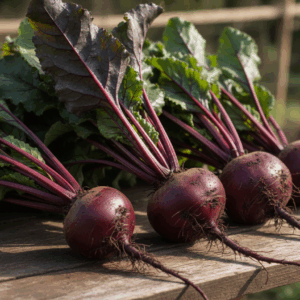
Its roots are perfectly round and deep red, made for even cooking and dependable results. The flavour is classic. They are mild, earthy-sweet, and tender. The greens are generous too, ready to be treated like chard or spinach. Early Wonder is abundant, with a head start. It rewards you early, then keeps going.
A whisper of history
Beets trace back to the Mediterranean, where early forms were first grown for their nutritious leaves. Over centuries of European cultivation, gardeners selected for sweeter roots, richer colour, and better storage.
Early Wonder is a North American refinement from the early 20th century, bred for what northern gardeners value most: reliability and early maturity. This is a beet that can size up quickly and deliver a satisfying harvest before summer heat takes over.
What You’ll Grow
- Plant type: Cool-season annual beet (grown for roots and greens)
- Growth habit: Vigorous leafy rosette
- Plant height: typically 30 to 45 cm (12 to 18 in)
- Spread: typically 30 to 45 cm (12 to 18 in)
- Roots: smooth, round, deep crimson; typically 5 to 7.5 cm (2 to 3 in) at ideal harvest size
- Flavour: mild, earthy-sweet; tender when harvested young
Days to maturity: typically 50 to 60 days (greens earlier; roots vary by harvest size).
Growing Instructions
Early Wonder is straightforward and forgiving, but it shines brightest when you do two things well: thin early and water consistently.
When to Plant
- Direct sow 2 to 3 weeks before the last spring frost for an early summer harvest
- Sow again in mid-summer for a fall crop
- Ideal germination soil temperature: 10 to 21°C (50 to 70°F)
Sowing
Beet seeds are actually seed clusters, and each cluster can sprout 2 to 4 seedlings.
- Plant 1 to 1.5 cm (1/2 in) deep
- Space seed clusters 2.5 to 5 cm (1 to 2 in) apart
- Rows: 30 to 45 cm (12 to 18 in) apart (or plant in blocks)
- Germination: typically 7 to 14 days
Thinning (Non-Negotiable for Good Roots)
- Thin when seedlings have true leaves
- Final spacing for roots: 10 to 15 cm (4 to 6 in) apart
- Use thinnings as baby salad greens
Sun + Site
- Full sun is ideal (6 8+ hours)
- Light shade is tolerated (roots may size more slowly)
Soil
- Loose, stone-free soil helps roots form smoothly
- Aim for pH 6.0 to 7.0
- Work in compost before planting
- Avoid excessive nitrogen (lush tops, smaller roots)
Watering
- Provide 2.5 to 5 cm (1 to 2 in) of water per week
- Keep moisture consistent for the sweetest, most tender roots
- Mulch to conserve moisture and reduce weeds
Feeding
- Compost at planting is usually enough
- If needed, a light balanced feed is fine
- Avoid heavy nitrogen
Common Issues
- Forked/rough roots: compacted or rocky soil
- Tough roots: inconsistent watering or harvesting too late
- Leaf miners: remove affected leaves; row cover early can help
Harvesting (Greens + Roots)
Greens
- Harvest baby leaves once plants are established
- For ongoing harvest, pick outer leaves and leave the center to regrow
- Young leaves are tender for salads; mature leaves are best cooked
Roots (For the Sweetest, Most Tender Beets)
- Harvest at 5 to 7.5 cm (2 to 3 in) for peak tenderness and sweetness
- Smaller roots are sweeter and more delicate; oversized roots can become tougher
- Water the bed if the soil is dry, then pull gently
Preserving + Storage
Roots
- Short-term: store in the fridge
- Longer storage: keep roots cool and humid (root cellar conditions)
- Roast and freeze, or pickle for an easy pantry staple
Greens
- Use fresh for the best texture
- Store unwashed leaves in the fridge and use within a few days
-
-
Culinary Notes: Classic Beet Comfort, Early in the Season
Early Wonder is the beet you grow when you want dependable results.
- Roast whole: even shape = even cooking
- Slice and roast: caramelized edges, tender centers
- Pickle: sweet-tangy jars for sandwiches and boards
- Soups: borscht-style bowls and brothy beet soups
- Salads: roasted rounds with herbs and a sharp vinaigrette
- Greens: saute like chard with garlic and olive oil
Prep Tip
- Roast for the deepest sweetness; boiling can leach flavour and colour.
Canadian Climate Notes
Early Wonder is instrumental in Canada because it matures quickly in cool weather.
- Sow early for spring harvest; sow again mid-summer for fall
- In hot spells, keep watering consistently to prevent tough roots
- Mulch helps moderate soil temperature
Growing zones: 211 (annual; cool-season crop).
Nutrition Notes
Beets are nutrient-dense and deeply nourishing.
- Roots provide folate, manganese, potassium, fibre, and natural pigments (betalains)
- Beets also contain natural nitrates that support blood flow
- Greens are rich in vitamins and minerals
Seed Saving
Beets are biennial: they produce roots the first year, then flower and set seed the second year.
How to Save Seed
- In the fall, select the best roots (round, smooth, good colour, good flavour)
- Overwinter roots (in-ground where winters are mild, or lifted and stored cool and humid)
- Replant in spring; plants will bolt and send up tall flower stalks
- Let seed clusters mature and dry on the plant
- Harvest when brown and dry; finish drying indoors if needed
- Store seed cool, dark, and dry
Isolation & Cross-Pollination
- Beets cross with other beets and Swiss chard
- For pure seed, isolate by distance (as practical) or only let one variety flower
Seed viability: typically 3 to 4 years
Early Wonder is the beet that makes the season feel generous from the very beginning, a swift treasure you can count on, year after year.
-
Reviews
There are no reviews yet.