

Description
The Spirit of Autumn Tradition, The Pumpkin That Carries the Magic of Halloween and the Ancient Wisdom of American Harvest
Jack O’Lantern is the pumpkin that turns a garden into a season.
There’s a particular kind of thrill in watching the vines run big, bright leaves like green hands reaching across the soil. Then finding the first swelling fruit, smooth and pale at first, growing heavier by the day until it becomes that unmistakable, storybook orange. This is the pumpkin of porch steps and candlelight, of crisp evenings and laughter, of the moment a simple fruit becomes a face, a lantern, a piece of autumn theatre.
Jack O’Lantern ripens into medium-sized, classic pumpkins with thick, sturdy walls and a dependable shape that feels made for carving. It’s the reliable vessel for creativity: big enough for bold expressions, strong enough to hold detail, and bright enough to glow like harvest fire when lit from within.
A whisper of history
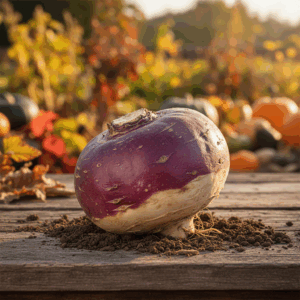
Pumpkins are native to the Americas and were domesticated by Indigenous peoples thousands of years ago. The tradition of carving lanterns came to North America with Irish immigrants (who once carved turnips for Samhain). Pumpkins were easier to carve and beautifully sized. They became the iconic Halloween canvas. Jack O’Lantern types were selected to meet that purpose: classic shape, bright orange colour, and thick walls that carve well.
What You’ll Grow
- Plant type: Warm-season annual vine
- Growth habit: vigorous, sprawling vines
- Vine length: typically 2.5 to 3.5 m (8 to 12 ft) or more
- Fruit size: typically 20 to 25 cm (8 to 10 in) diameter
- Fruit count: often 2 to 4 pumpkins per plant
- Colour: pale green > brilliant orange (full maturity)
- Rind: hard when mature
- Wall thickness: thick and sturdy (excellent for carving)
Days to maturity: typically 90 to 120 days from direct sowing (weather dependent).
Growing Instructions
Jack O’Lantern pumpkins want heat, sun, space, and steady moisture. Give them room to run, and they’ll reward you with classic carving pumpkins.
When to Plant
- Direct sow after the last frost when the soil is warm
- In short seasons, start 3 to 4 weeks before the last frost and transplant carefully
Direct Sowing
- Plant seeds 2.5 cm (1 in) deep
- Sow 2 to 3 seeds per hill, then thin to the most vigorous plant
- Space hills 90 to 120 cm (3 to 4 ft) apart (more space is always welcome)
Starting Indoors (Optional)
- Start in individual pots to reduce root disturbance
- Transplant only when nights are reliably warm
- Harden off 7 to 10 days before planting out
Site + Soil
- Full sun: aim for 8+ hours/day
- Rich, well-drained soil with plenty of compost
- Pumpkins love fertility; composted manure is excellent
Watering
- Water deeply and consistently: 2.5 to 5 cm (1 to 2 in)/week
- Water at the base; avoid wetting leaves to reduce disease
- Mulch to conserve moisture and keep fruit clean
Feeding
- At planting: compost + balanced fertilizer
- During season: feed every 3 to 4 weeks
- Avoid excess nitrogen (huge vines, fewer pumpkins)
Fruit Care
- As pumpkins form, set them on straw or cardboard to reduce rot
- Turn fruit gently (if needed) early in development; don’t snap the stem
Pest Notes
- Watch for squash bugs, cucumber beetles, and (where present) squash vine borers
- Row cover early can help until flowering begins (remove for pollination)
Harvesting (For Carving-Perfect Pumpkins)
- Harvest when pumpkins are entirely orange, and the rind is hard (a fingernail won’t easily pierce it)
- Cut with pruners/knife, leaving 5 to 7.5 cm (2 to 3 in) of stem
- Handle gently; bruises shorten storage life
Preserving + Storage
- Cure pumpkins in a warm, dry place for 7 to 10 days if possible
- Store in a cool, dry spot (not freezing), with good airflow
Use the harvest fully:
- Roast the seeds (from carving pumpkins, too)
- Flesh is edible (though carving types are usually less sweet than pie pumpkins)
Jack-o’-lantern carving (the classic purpose)
Carving is where this pumpkin shines. The thick, sturdy walls hold up to detailed faces, clean cut lines, and longer display time without collapsing too quickly. Cut a lid, scoop the cavity, and carve your design. Add a candle or an electric light, and you get the true jack-o’-lantern glow: warm, flickering, unmistakably autumn. It’s one of those rituals that turns a vegetable into a tradition.Pumpkin decoration
Even uncarved, Jack O’Lantern pumpkins are pure seasonal theatre. Their bright orange colour and classic silhouette make them perfect for porch stacks, stair displays, harvest tables, and market-style arrangements. Pair them with dried corn, straw, gourds, or late-season flowers; line them along a walkway; cluster them at the door like a welcome offering to the season.Pumpkin flesh (edible, but not the “pie pumpkin”)
Jack O’Lantern pumpkins are bred more for carving than for gourmet sweetness, but the flesh is absolutely edible. Use it for soups, stews, roasted pumpkin pieces, or puree. It is especially delicious when you’re cooking it down with spices, stock, onions, garlic, or cream/coconut milk. Think “cozy and useful” rather than ultra-silky bakery perfection. Roasting concentrates flavour; pureeing makes it easy to fold into autumn meals.Pumpkin seeds (the best bonus)
Don’t waste the seeds after carving. Scoop them out, rinse well, dry, toss with oil and salt (and whatever spices you love), then roast until golden and crisp. Roasted pumpkin seeds are the snack that tastes like October: salty, nutty, and deeply satisfying.Pumpkin traditions (the real harvest value)
This variety is perfect for the traditions that make autumn feel like home: carving nights with family, porch displays, school harvest events, Halloween gatherings, and the simple joy of growing something that becomes part of the season’s rituals.Preparation notes: Jack O’Lantern pumpkins are best enjoyed for carving and decoration. Handle gently to avoid bruising (bruises shorten storage life). Store whole pumpkins in a cool, dry place until you’re ready to display or carve.
Canadian Climate Notes
Jack O’Lantern pumpkins can be grown successfully in Canadian gardens wherever summers provide enough warmth to finish a 90–120 day crop. They’re especially well-suited to warmer regions and protected microclimates, and their relative earliness helps in shorter seasons. well before Halloween.Best practices:- Direct sow after the last frost when the soil is warm, or start 3–4 weeks early and transplant indoors after hardening off indoors.
- Full sun (8+ hours)
- Compost-rich soil; steady watering (1–2 in/week)
- Mulch to hold moisture and warmth; keep weeds down
- Feed moderately every 3–4 weeks (avoid excess nitrogen)
- Watch for squash pests; harvest when fully orange and the rind is hard
Hardiness zones: 3–10 (annual; warm-season crop).
Nutritional Information
Jack O’Lantern pumpkins provide a good source of nutrition: vitamin A (beta-carotene), vitamin C, potassium, manganese, fibre, and antioxidants. The bright orange colour signals carotenoids, and the flesh adds nourishing substance to soups, purees, and autumn cooking.
Seed Saving
Jack O’Lantern is open-pollinated and produces seed readily if you let the fruits fully mature.How to save seed:- Leave one or more pumpkins on the vine until fully mature: bright orange, hard rind, vines beginning to die back
- Harvest with 2–3 in of stem attached
- Scoop seeds, separate from fibrous pulp, rinse well
- Dry thoroughly in a warm, airy place (stir daily)
- Store cool and dry
- Isolation: Pumpkins can cross with other compatible squash; isolate by 500 ft or let only one compatible type flower for seed
- Seed viability: 4–5 years
Reviews
There are no reviews yet.