

Description
The Green Spark, The Herb That Tastes Like Sunlight
Cilantro is not a background herb. It’s a bright note, a green spark, the thing that turns a bowl of beans into a meal. It turns a simple salad into something alive, a pot of soup into comfort with a pulse.
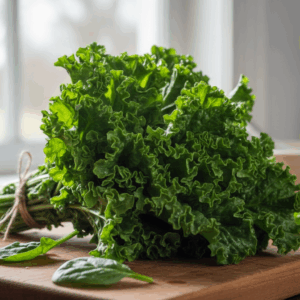
It grows fast and tender, offering lacy leaves that taste clean and citrusy, with that unmistakable cilantro perfume: fresh, sharp, and almost electric. It’s the herb you reach for when you want food to feel awake. Cilantro is for when you want brightness, lift, and that little edge of wildness that makes a dish memorable.
Cilantro is also a two-harvest plant: first, the leaves, soft and generous if you cut often. Then, if you let it flower, it becomes something else: airy umbels for pollinators, and finally seed heads that dry into coriander… warm, sweet, and spiced, like the memory of summer stored in a jar.
Meaning + symbolism
Cilantro is a plant of transformation. Leaf to flower to seed, green to gold, bright to warm: cilantro reminds you that a garden doesn’t only feed you in one way. It feeds you now and later.
A whisper of history
Cilantro is one of humanity’s old companions. This herb has travelled across continents and centuries because people kept choosing it, for the way it makes food taste complete.
In many food traditions, cilantro is the finishing touch: scattered fresh at the end, stirred in at the last moment. And when it goes to seed, coriander becomes pantry magic: a spice that warms stews, breads, pickles, and sweets.
To grow cilantro is to produce a bridge between fresh and stored, between garden meals and winter cooking. It is a small plant with a long cultural memory.
What You’ll Grow
- Plant type: Annual herb
- Leaves: Lacy, tender, intensely aromatic
- Flowers: Small white blooms in airy umbels (pollinator-friendly)
- Second harvest: Coriander seed (warm, citrus-spice flavour)
- Best use: Fresh garnish, salsa, chutney, soups, curries; coriander for spice blends and baking
Growing Instructions
Cilantro loves cool weather and steady moisture. In heat, it bolts (flowers) quickly, which is either a problem or a plan, depending on what you want.
When to plant
- Direct sow outdoors: as soon as the soil can be worked in spring, and again in late summer for a fall harvest
- Start indoors: optional, but cilantro prefers direct sowing (taproot)
For a long season, sow small batches every 2–3 weeks.
Sowing
- Plant 6 mm (1/4 in) deep
- Thin to 10–15 cm (4–6 in) apart
- For a fuller patch, sow in short rows or blocks
Germination: typically 7–14 days.
Light
- Full sun to part shade
- In warm microclimates, afternoon shade helps keep leaves tender and delays bolting.
Soil
- Well-drained soil with compost
- Cilantro appreciates consistent moisture more than rich feeding
Watering
- Keep evenly moist, especially during warm spells.
- Mulch helps prevent stress (stress = faster bolting)
Managing bolting (leaf harvest)
If you want leaves for as long as possible:
- Grow in cooler weather (spring/fall)
- Provide afternoon shade
- Harvest often
- Succession sow
If you want coriander seed:
- Let plants flower
- Keep them watered so seed heads fill well
Harvesting + preserving
For leaves
- Begin harvesting once plants are established.
- Cut outer leaves first, or cut stems above the crown for regrowth.
- Harvest frequently for bushier plants.
For coriander seed
- Let the seed heads dry on the plant until they are tan and papery.
- Cut and finish drying indoors in a paper bag.
- Rub seeds free and store whole for the best flavour
Seed Saving
Cilantro is easy to save.
- Allow plants to flower and set seed.
- Let seed heads dry until tan.
- Harvest before seeds drop.
- Dry thoroughly and store cool, dry, labelled.
Canadian climate notes + growing zones
- Annual in all Canadian zones
- The best leaf quality comes from cool weather.
- In hot spells, cilantro bolts quickly, so plan for spring/fall sowing or partial shade
Reviews
There are no reviews yet.