
A Journey from Ancient Gardens to Canadian Summer
How a New World crop, refined by Old World hands, crossed the Atlantic to become the symbol of summer abundance in North American gardens
The Ancient Beginning
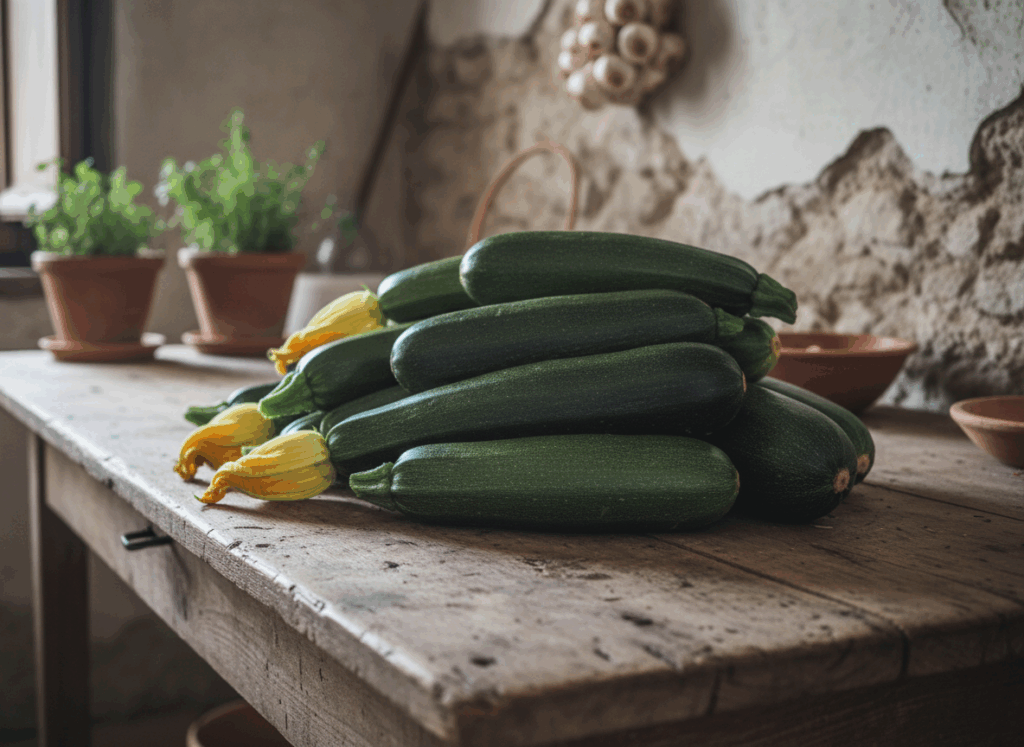
Long before Italy, long before Europe even knew squash existed, there was Mesoamerica. In the ancient gardens of what is now Mexico and Central America, indigenous peoples were conducting one of agriculture’s most significant acts of creation. Over the years, they domesticated squash alongside corn and beans—the “Three Sisters,” a sacred trinity that sustained entire civilizations. These were not delicate vegetables. These were crops born from necessity, from the understanding that survival depended on plants that could thrive in heat, produce abundantly, and nourish both body and spirit.
Squash was a gift, a plant that understood generosity.
The Spanish Crossing
In 1492, when Columbus sailed across the Atlantic, he carried more than conquest and colonization. He carried seeds. When Spanish explorers returned to Europe in the 16th century, their ships held the botanical treasures of the New World: tomatoes, potatoes, corn, and squash. These seeds represented a quiet revolution, a transformation that would reshape European cuisine and gardens forever.
But it was in Italy where squash found its truest home.
The Italian Transformation
In the sun-drenched gardens of northern Italy, something remarkable happened. Italian gardeners looked at these New World squash and saw possibilities. They understood that these plants, bred for survival in Mesoamerican heat, could be transformed into something entirely new. Rather than storing them through winter as their ancestors had done in the Americas, Italian gardeners began selecting for tender, immature fruits meant to be harvested young and eaten fresh.
They called them “zucchini”, little squashes. It was a name that whispered of intimacy, of something small and precious.
By the 18th and 19th centuries, zucchini had become woven into the fabric of Italian life. They appeared in markets, on family tables, in the gardens surrounding Italian cities. Italian market gardeners, working in the intensive vegetable gardens that fed urban populations, began selecting for a compact bush habit. They wanted plants that stayed small, that didn’t sprawl across the garden, that produced abundantly in limited space. This was agricultural poetry: taking a New World crop and refining it through generations of careful selection to suit the specific needs of Italian city gardens.
Zucchini became fundamental to Italian cuisine and garden culture. They were no longer foreign.
The Great Migration
Then came the moment that would carry zucchini across the Atlantic a second time.
In the late 19th and early 20th centuries, millions of Italians boarded ships bound for North America. They left behind villages, family homes, and gardens heavy with the plants their ancestors had selected and refined. But they carried something precious in their pockets and trunks: seeds. Zucchini seeds. These were not merely botanical specimens. These were links to home, to grandmother’s kitchen, to the taste of summer in the old country.
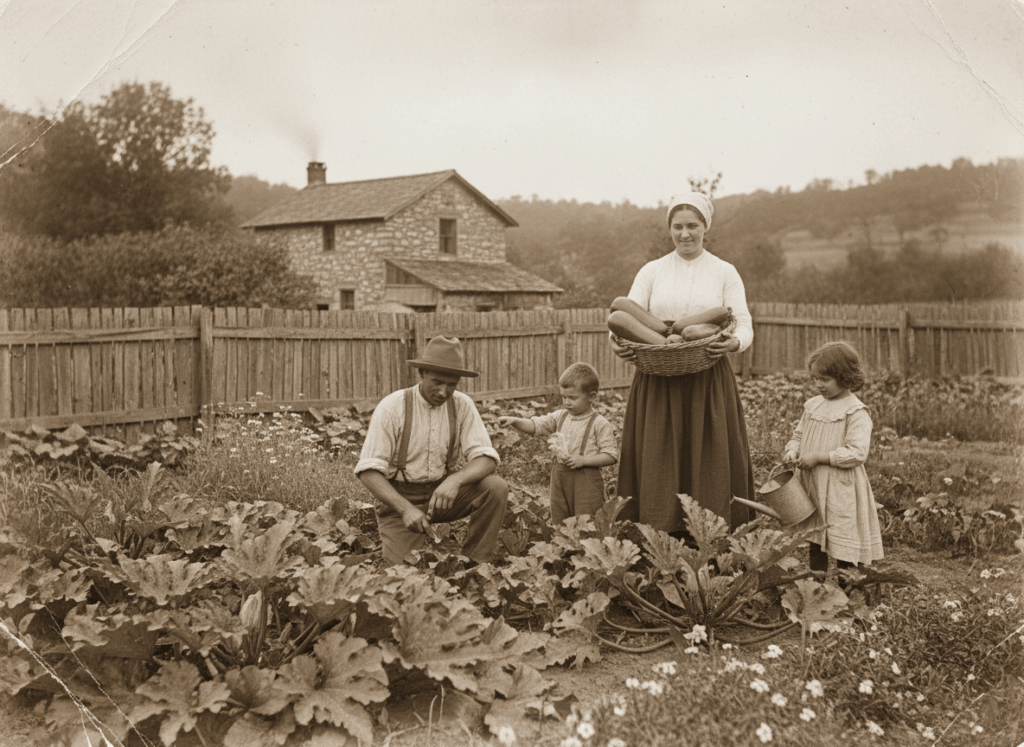
Italian immigrants arrived in North America carrying with them the memory of Italian gardens. They planted zucchini in their new backyards, in community gardens, in the small plots of land they could claim in their adopted homes. They grew the varieties their mothers had grown, the plants their grandmothers had selected. They cooked zucchini the way it had been cooked in Italy for centuries: sautéed with garlic and olive oil, added to pasta, roasted until caramelized, fried as delicate blossoms.
In doing so, they transformed North American gardens. Zucchini, which had been a curiosity, became commonplace. It became beloved. It became home.
The American Perfection
By the mid-20th century, American seed companies recognized what Italian immigrant gardeners had long known: zucchini was special. These companies began working directly with Italian gardeners to perfect the compact, prolific varieties that would become North American standards.
Dark Green Bush Zucchini emerged from this collaboration. It was selected for its bush habit: compact plants that stayed manageable, that didn’t sprawl across the garden like their sprawling cousins. It was selected for its dark green colour, that glossy, almost black-green colour that signals perfection to any gardener who knows what to look for. It was selected for its cylindrical shape. But most importantly, it was selected for its generous spirit, for the way it produces and produces, teaching gardeners the meaning of abundance.
This was not accidental. This was the result of decades of careful selection, of seed savers who understood that a crop must not only survive but must also nourish, must also please, must also teach the gardener something about the nature of generosity.
Coming Home to Canada
When Dark Green Bush Zucchini arrived in Canadian gardens, it found a perfect home. Our warm summers are exactly what zucchini crave. From July through September, these compact plants produce with remarkable generosity. It fills gardens with the kind of harvest that has neighbours joking about leaving zucchini on doorsteps, about zucchini appearing mysteriously on front porches.
This is the abundance that Dark Green Bush teaches.
In Canadian gardens, this variety represents something profound. It is the transformation of a New World crop by Old World hands. It is the poetry of compact plants producing extravagant harvests. It is the summer ritual of checking the garden each morning to see what miracles the night has brought.
A Living Connection
When you plant Dark Green Bush Zucchini seeds in your Canadian garden, you are planting more than a vegetable. You are planting history. You are planting the work of indigenous Mesoamerican gardeners who first domesticated squash 7,000 years ago. You are planting the vision of Italian gardeners who saw possibility in a New World crop and transformed it through generations of careful selection. You are planting the courage of Italian immigrants who carried seeds across the ocean, who refused to let go of their connection to home, who grew zucchini in their new gardens as an act of remembrance and love.
You are planting the collaboration between Italian seed savers and American seed companies that perfected Dark Green Bush into the variety we know today.
When you harvest your first Dark Green Bush zucchini, when you hold that glossy dark green fruit with its silken flesh and delicate flavor, you are holding more than a vegetable. You are holding a piece of agricultural history. You are holding the journey of a crop across continents and centuries. You are holding the hands of gardeners who selected, who saved, who refined, who carried seeds across oceans.
This is Dark Green Bush Zucchini. This is a New World crop perfected by Old World hands, now thriving in Canadian soil. This is the poetry of Italian kitchen gardens, now growing in your backyard. This is the summer ritual of abundance, the morning harvest, the evening meal shared around family tables.
This is our heritage. This is our story. This is the zucchini that teaches us the meaning of generosity.
Add this wonder to your garden HERE.